Content operations need a governed production layer before publishing
Point tools produce words; governed content operations keep sources, approvals, exceptions, and ownership attached through publishing.
A lean, practical path from an empty workspace to a publishable article, using trusted sources and clear human review gates.

On a recent onboarding call, a marketing lead had a perfectly decent brief ready to go: audience, topic, tone, even three example articles she liked. Then we got to the product description, and nobody knew which product page was current.
The positioning document lived somewhere in a shared drive. The person who knew the useful customer examples was on holiday.
Pas de panique. Start by connecting a small set of company sources you trust, then use the first draft to see what still needs a human decision before publication.
A good prompt keeps a draft focused, but it cannot tell Diurna whether last quarter’s pricing language is still approved, whether a feature has changed, or which claim your legal team has stopped using. Those answers need to come from sources your company owns and trusts.
An empty workspace makes it tempting to connect every old deck, blog post, call transcript and folder labelled “final_FINAL_use-this-one.” Start instead with two or three sources that are current, company-owned, specific enough to support a real claim and suitable for external use.
For most teams, that means approved positioning or messaging guidance, current product documentation or a help centre article, and one approved expert source: a founder’s published view, a subject-matter expert interview or a customer story cleared for marketing use.
The mix depends on the article. A practical guide needs product documentation and an expert source more than a broad brand deck; a point-of-view piece may need the messaging guide and a published founder perspective.

I’d leave out old campaign copy, raw sales-call notes and unapproved customer material for this first run. They may become useful once someone has decided how to use them, but on day one they create a familiar review problem: a draft contains something plausible and the editor has no quick way to tell whether it is true, current or fit for publication.
Connect that source pack to your Diurna workspace so the draft has approved terms, product facts and an established point of view to work from.
For the first article, pick a subject your sources cover clearly. Leave the grand brand manifesto and the comparison page with twelve claims for later, when product, legal and leadership teams have agreed what needs checking.
A useful first brief might be: “Explain how a small marketing team can set an approval gate before assigning work to freelancers.” It gives you a defined reader, a practical outcome and clear source needs. Positioning guidance establishes the point of view, while operational documentation or approved expert material supplies the details.
Tell Diurna who the reader is, what they need to decide and which sources should support factual statements. Give the article a named author and a tone that reflects how that person actually writes, then generate a draft.
I wouldn’t judge that first pass by whether the prose feels impressive. I’d ask whether you can see which parts draw on company knowledge and which need a person to decide.
Grounding gives the draft approved terms, product facts and an established point of view. Approval is the human decision that a claim remains current, suits the audience, carries acceptable risk and says what the company is willing to stand behind today.
A source may support the sentence “our workflow includes a final editorial review”; your team decides whether that promise belongs in a campaign aimed at a regulated market.
Read the first draft with the evidence beside it. Start with the statements that would cause a problem if they were wrong.
For each factual claim, product description and technical term, ask where it came from, whether the source is current and whether it says exactly this or the draft has stretched it too far.
A product source might say a workflow supports review steps. It should not become “every draft is reviewed by a specialist” unless your process guarantees it. If a useful sentence has no source behind it, verify it with the right person or remove it.
Once the facts hold up, move to voice and editorial judgment. Does the piece use the words your customers use? Does it make the argument your company actually makes? Has it introduced a claim stronger than your approved language?
Then check headings, links, metadata and image alt text before publication. Those details are easy to add at the end, when everyone wants to hit publish, and they still need the same factual check as the body copy.
There is little value in polishing a paragraph whose central claim will be cut.

Set the route according to what the article could get wrong. A straightforward guide based on approved company material might need a source-and-accuracy check followed by a brand-voice pass, with one named owner for each decision.
The gate needs more review when an article affects a buying decision or makes a promise. A product or comparison page needs product-owner verification, claims review and a final editorial pass. Anything involving regulated topics, legal language, prices, performance figures or customer commitments needs a named subject-matter or legal reviewer before it goes live.
Box’s workflow model puts approval inside production, alongside assignment, review and issue resolution. Make that visible in the Diurna stream from the beginning: the reviewer needs a clear point to approve, request a change or stop the piece.
Otherwise the work drifts back to email threads and duplicate drafts, which is where teams lose both time and confidence.
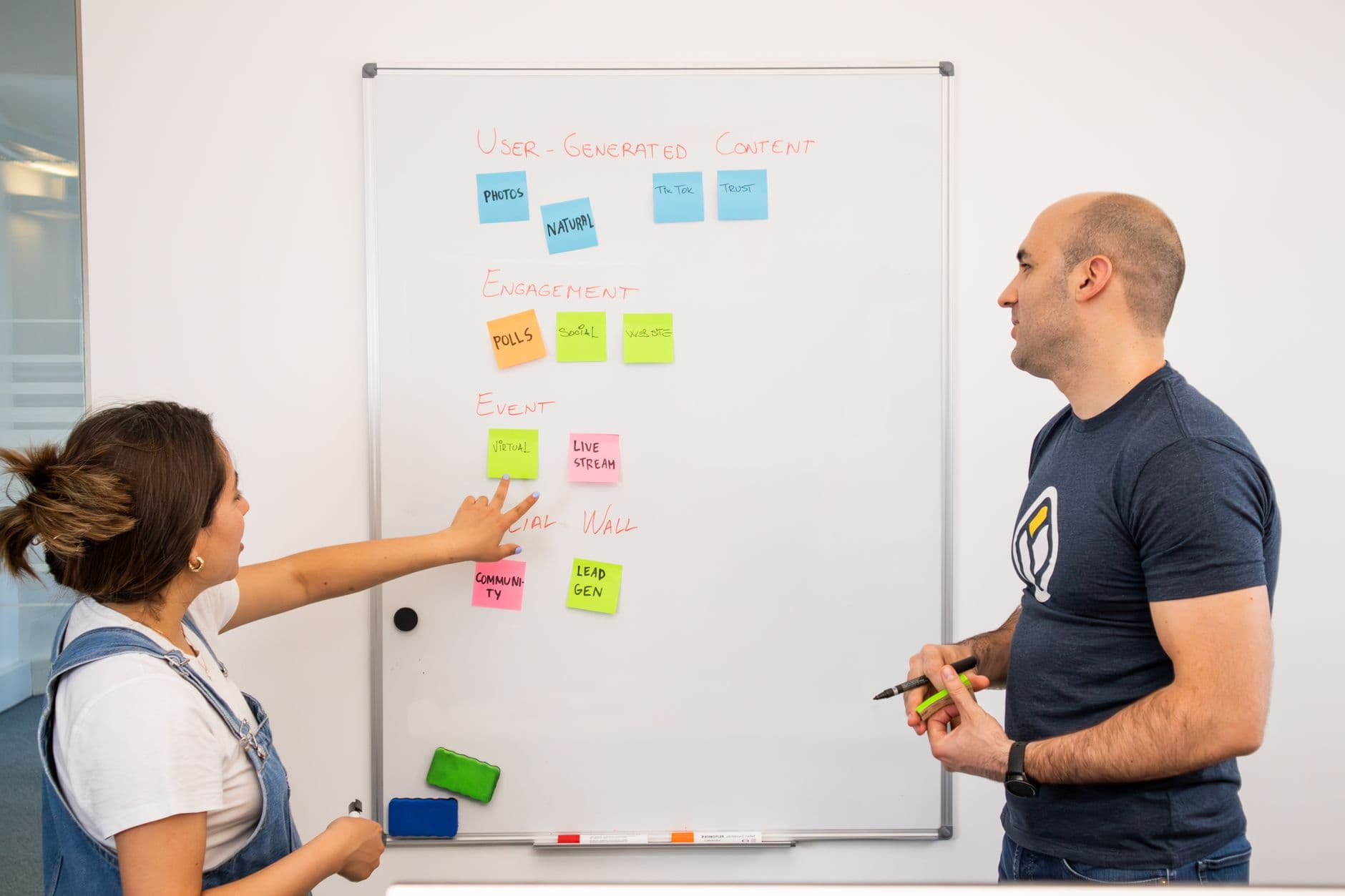
Your first draft will expose gaps. Perhaps the positioning document has no approved language for a new feature, the product documentation explains what something does but not why a customer would care, or nobody owns customer-facing claims.
Turn those discoveries into workflow rules: which sources are approved for which stream, which claims always need a product owner, which phrases are off limits and who holds final approval. Petit à petit, the boundaries become clearer and the system becomes easier to trust.
Before you publish, use this warm-up:

Point tools produce words; governed content operations keep sources, approvals, exceptions, and ownership attached through publishing.

Google’s AI search guidance points to a durable test: publish original evidence, keep SEO foundations sound, and measure whether readers make useful decisions.
We onboard a handful of teams at a time. Tell us what you publish and we'll set up a first pipeline together.
Wir verwenden notwendige Cookies, um die Website zu betreiben. Mit Ihrer Einwilligung laden wir zusätzlich Analyse-Werkzeuge, um zu verstehen, was nützlich ist. Sie können Ihre Wahl jederzeit ändern.